Indiana-Miami is a showcase in how quickly fortunes can change in today's college football
Life comes full-circle in the 2026 national title game.
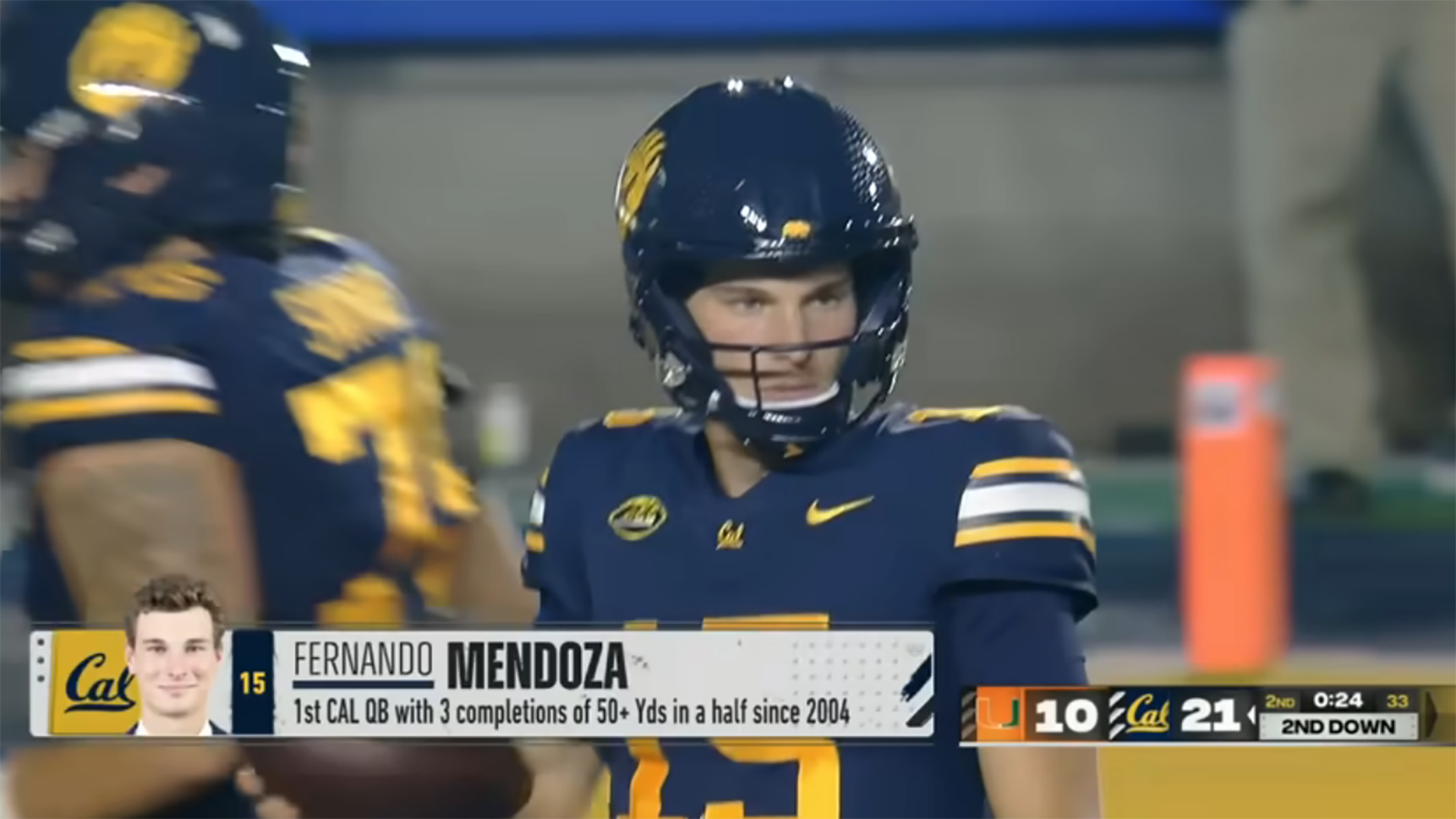
On the night of October 5, 2024, I was sweating my bag off in section VV, row 15, seat 4 of California Memorial Stadium. A record-breaking heat wave ripped through The Bay that week, turning what should've been a breezy 7:30 PM (PT) ACC-After-Dark contest between Cal and No. 8 Miami into an 82-degree sauna for myself and the 52,427 others in attendance. As hot as the thick bay air was that night, the electricity in the crowd was nearly as skin-sweltering on its own.

Berkeley was a zoo all day, thanks to College Gameday making their first-ever appearance on campus. Cal students were so ravenous that they broke through ESPN's fences before midnight, then set up shop for the next seven hours before Gameday went on air. Naturally, the show was one for the ages:
Everything that led up to it made the game itself feel preordained. It was Cal's first ACC home game; the first non-Stanford sellout since Ohio State came to town in September 2013. The opponent was No. 8 Miami - who had just survived a controversial finish against Virginia Tech and looked ripe for an upset. The idea of actually pulling it off gained steam throughout the day as Cal faithful watched the rest of the country plunge into chaos. No. 1 Alabama shockingly fell to Vanderbilt, while No. 9 Missouri got stomped by Texas A&M in the early window. By kickoff, No. 4 Tennessee, No. 10 Michigan, and No. 11 USC were all in battles with unranked opponents. By halftime, blood officially hit the water with Cal up 21-10, and word spreading among the crowd –since no one had enough service in the first half to check scores– that all three had lost. The fault line under the stadium felt like it might give way when the Bears pushed the lead to 35-10 midway through the third quarter. This was Cal's moment, on the biggest stage they'd had in years.
Join college football fans just like you and subscribe to 2StripesCPD!
Then, as perfectly as everything had built up throughout the day, it spectacularly burned to the ground within an hour. Cal's offense sputtered. Their defense suddenly had no answer Cam Ward. A blatant missed targeting from a Miami defender on Cal's quarterback would've sealed the game with under 2 minutes left, but was somehow upheld by ACC replay officials upon review. Miami got the ball, scored to take a 39-38 lead, then picked Cal off with less than 15 seconds left to seal a miraculous comeback. I watched Michael Irvin lose his mind about 30 feet in front of me as it happened:
Michael Irvin is a treasure pic.twitter.com/F682aOrj2A
— Colton Denning (@Dubsco) October 6, 2024
So, what does a random Cal-Miami game 15 months ago have to do with Monday's national title - beyond the Hurricanes playing in both? It shows just how rapidly things can shift in this new era of college football.
Cal's QB was a second-year, former three-star recruit from Miami named Fernando Mendoza. I didn't know much about him at that moment outside of watching him beat Auburn on the road a few weeks prior. He only completed 11-of-22 passes against the Hurricanes, but put up 285 yards and 2 TD thanks to some long catch-and-runs. If you would've told me I was watching a Heisman-winning quarterback that night, I actually wouldn't have given it a second thought - solely because I'd think you were talking about Cam Ward. 15 months later, it's Mendoza with the Heisman in his pocket, leading 15-0 Indiana on one of the greatest runs in college football history. If that doesn't sound far-fetched enough, he now gets to play for the national title in the city he grew up in, against his hometown team who stole one from him the year prior, coached by a guy who played high school football with his dad:
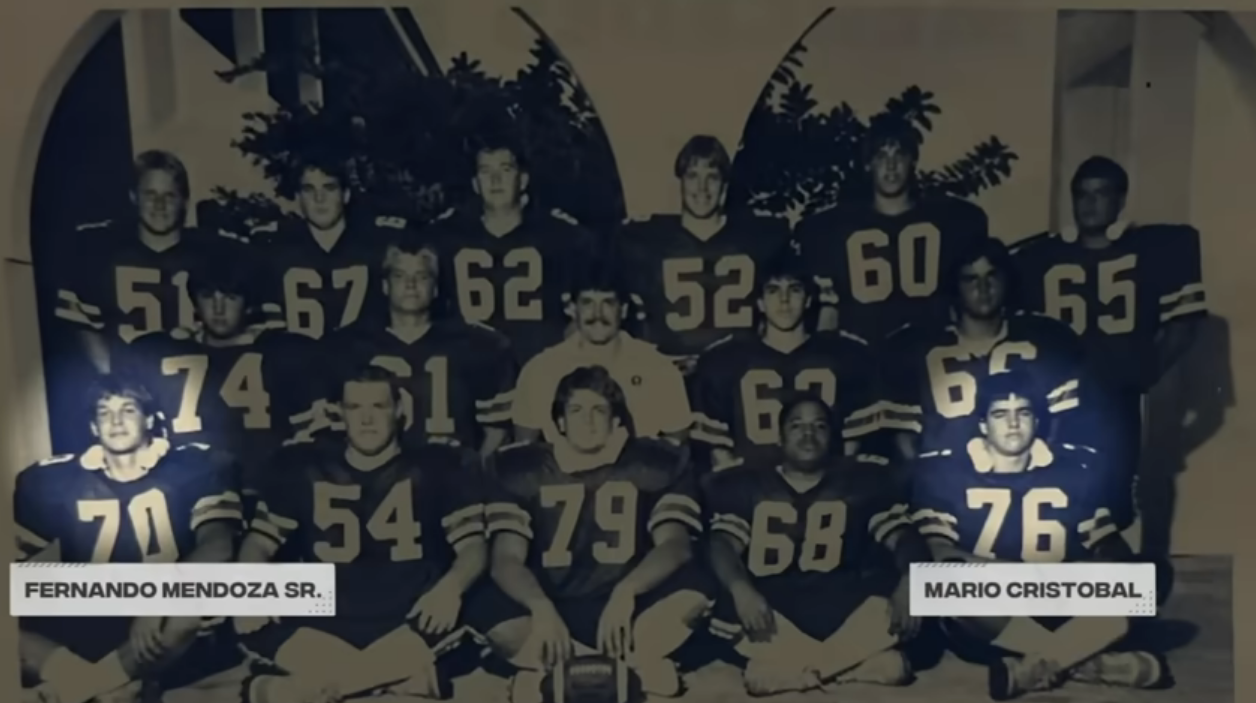
College football, like life, almost always has a way of coming full circle. It certainly has for Mendoza. It's the same story for the Hurricanes.